
Department Highlight: Inside the Public Health Lab
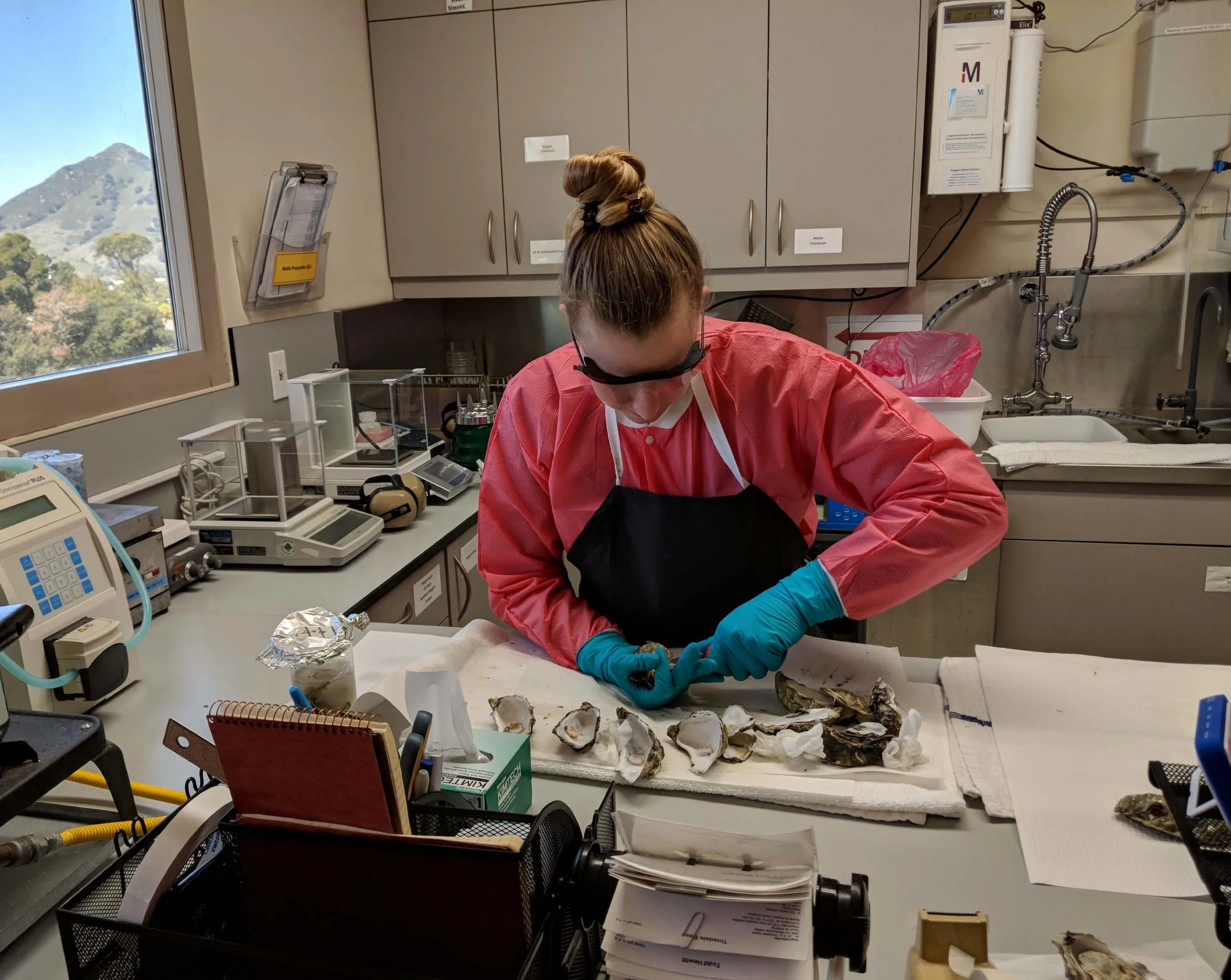
Farrington shucks oyster samples, testing for bacterial contamination. San Luis Obispo’s lab is one of the few in the state certified to test shellfish meat.
When Carrie and I began planning this month’s feature, our goal was to introduce readers to the Department of Public Health and the many ways it supports our community. It quickly became clear that the department’s reach is far too broad to capture in a single article. Much of its work happens quietly, behind the scenes, touching nearly every corner of the County.
So we decided to start with one essential role: the Public Health Microbiologist.
We spoke with Elizabeth Farrington, whose work takes place almost entirely in the laboratory—yet directly impacts people across the county every day. Elizabeth tests specimens that arrive from hospitals, physicians’ offices, public health nurses, and even the environment. These can include water samples, oysters, wildlife, and animals submitted for rabies testing. Each specimen represents a potential public health concern and an opportunity to act early.
One example of this work is shellfish testing. Oyster samples from growers across California—often from Morro Bay—are processed using strict safety protocols and tested for bacterial contamination. San Luis Obispo’s Public Health lab is one of only a few in the state certified to test shellfish meat, making it a critical safeguard for coastal food safety.
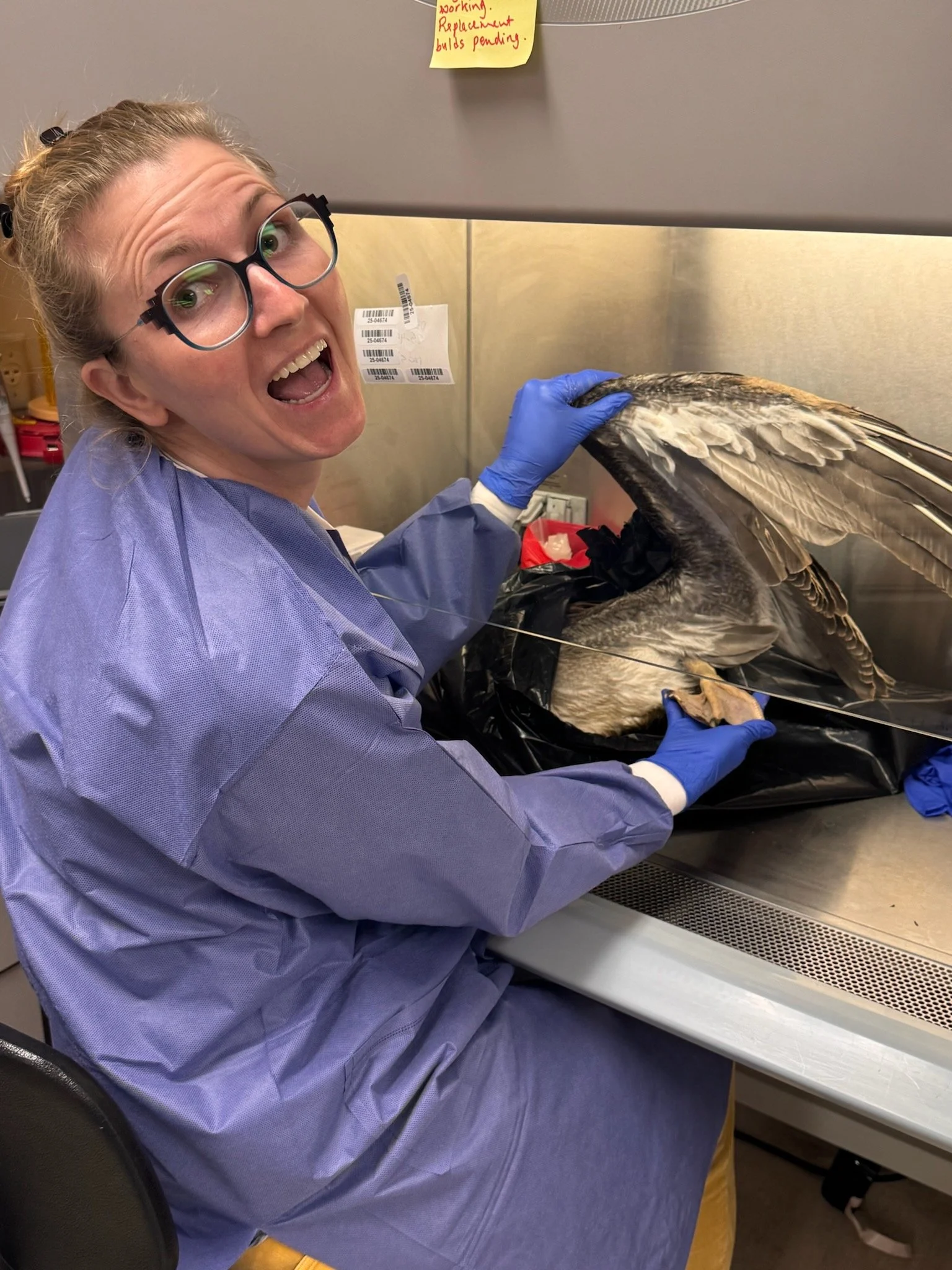
Elizabeth Farrington examines a pelican
The lab also supports wildlife disease surveillance. A pelican submitted for West Nile virus monitoring, for example, may have throat swabs collected and sent for RNA testing. These results help public health officials track disease activity and respond before risks spread to people.
What sets the Public Health lab apart, Elizabeth explained, is its purpose. While private labs focus on individual patient care, the Public Health lab exists solely to protect the broader community. When highly communicable diseases like measles or tuberculosis are suspected, specimens are routed directly to the Public Health lab so action can happen quickly.
“The goal is to identify communicable diseases as quickly and efficiently as possible so the rest of Public Health can respond,” Elizabeth said. Once results are available, public health nurses, epidemiologists, and infection control teams can begin contact tracing and prevention efforts. As Elizabeth put it, “You couldn’t do anything without the results.”
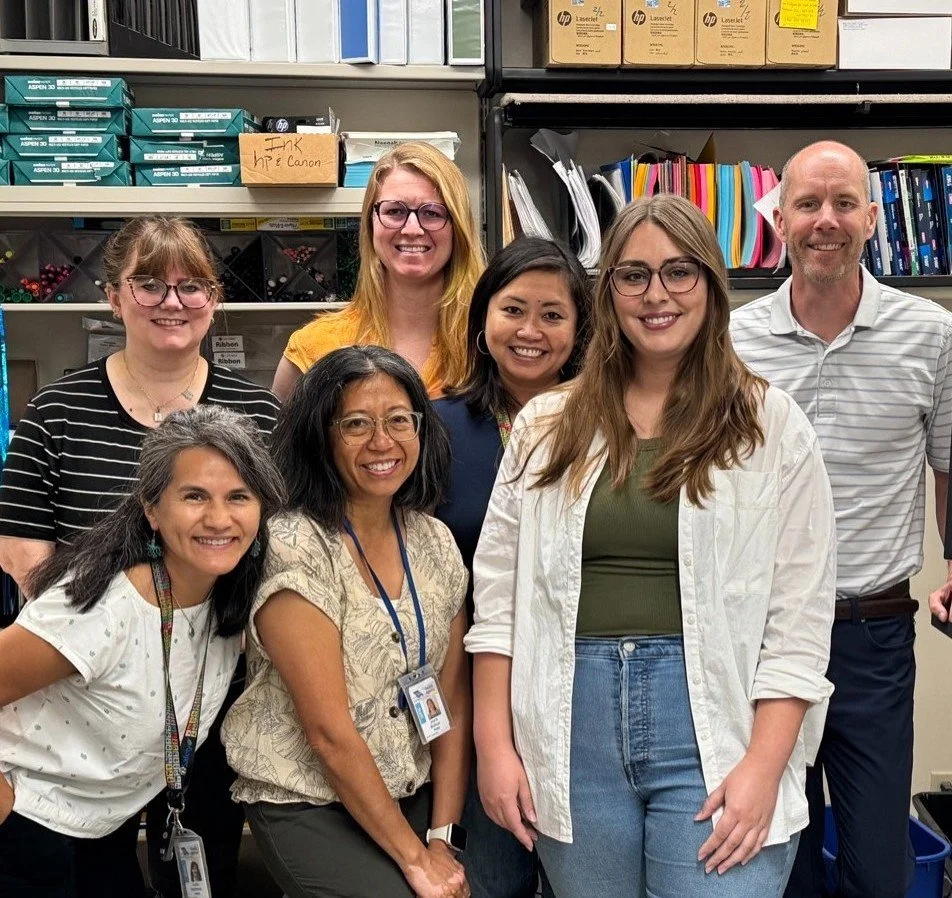
The 2025 microbiology lab group: (From left to right) Janna Kliewer, Lucia Martinez, Joyce Bolivar, Elizabeth Farrington, Katrina Erwin, Shannon Crowley, Dr. Glen Miller.
Elizabeth described her work with pride and a strong sense of responsibility. She doesn’t see specimens as abstract samples, but as people waiting for answers. Each result brings clarity, prevention, or peace of mind to someone in the community.
No two days in the lab are the same. Microbiologists specialize in areas such as bacteriology, virology, mycology, and environmental microbiology. Elizabeth’s favorite? Mycology—the study of molds—because of their intricate structures and unique growth patterns under the microscope.
Flexibility and teamwork are essential. When urgent specimens arrive, priorities shift immediately. Elizabeth credits the lab’s collaborative culture for making that possible, saying she’s grateful to work alongside “amazing collaborative scientists” whose shared goal is improving community health.
The lab’s importance was especially clear during the COVID-19 pandemic, when staff quickly implemented new testing methods and later helped identify virus variants so limited treatments could be used effectively.
Whether it’s preventing the spread of tuberculosis, determining rabies risk, or stopping an outbreak before it begins, the work of the Public Health lab quietly protects us all.
As Elizabeth said, “We’re the safety net. Our mission is to protect the community—so we’re going to keep protecting the community.”
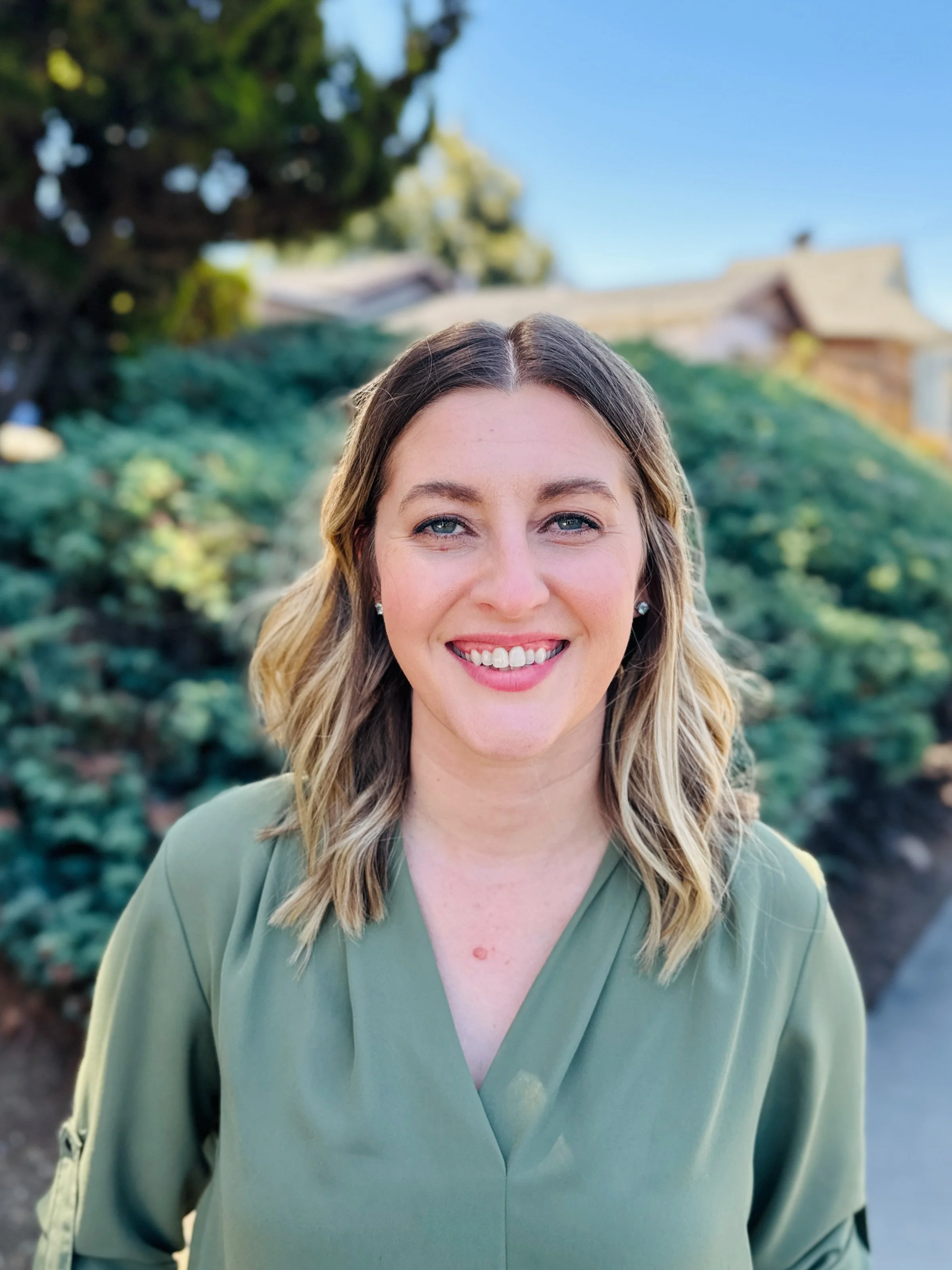
Jennifer Tate, Labor Rep I

Carrie McGrath, Labor Rep I