
Artificial Intelligence and the Old Pattern of New Technology
As someone who recently expanded my own use of artificial intelligence (AI), I came across an article suggesting the technology could replace large portions of white-collar work. The article examined new research from the AI company Anthropic on how the technology might affect professional jobs.
As you might expect, the internet responded quickly. LinkedIn threads filled with predictions about the collapse of entire professions, while Reddit discussions questioned whether degrees in business, law, or computer science would soon be obsolete.
But panic in the face of new technology is not new. Whether or not it reflects what we see in our own workplaces, the conversation about AI and the future of work is now happening everywhere.
Earlier Technological Revolutions
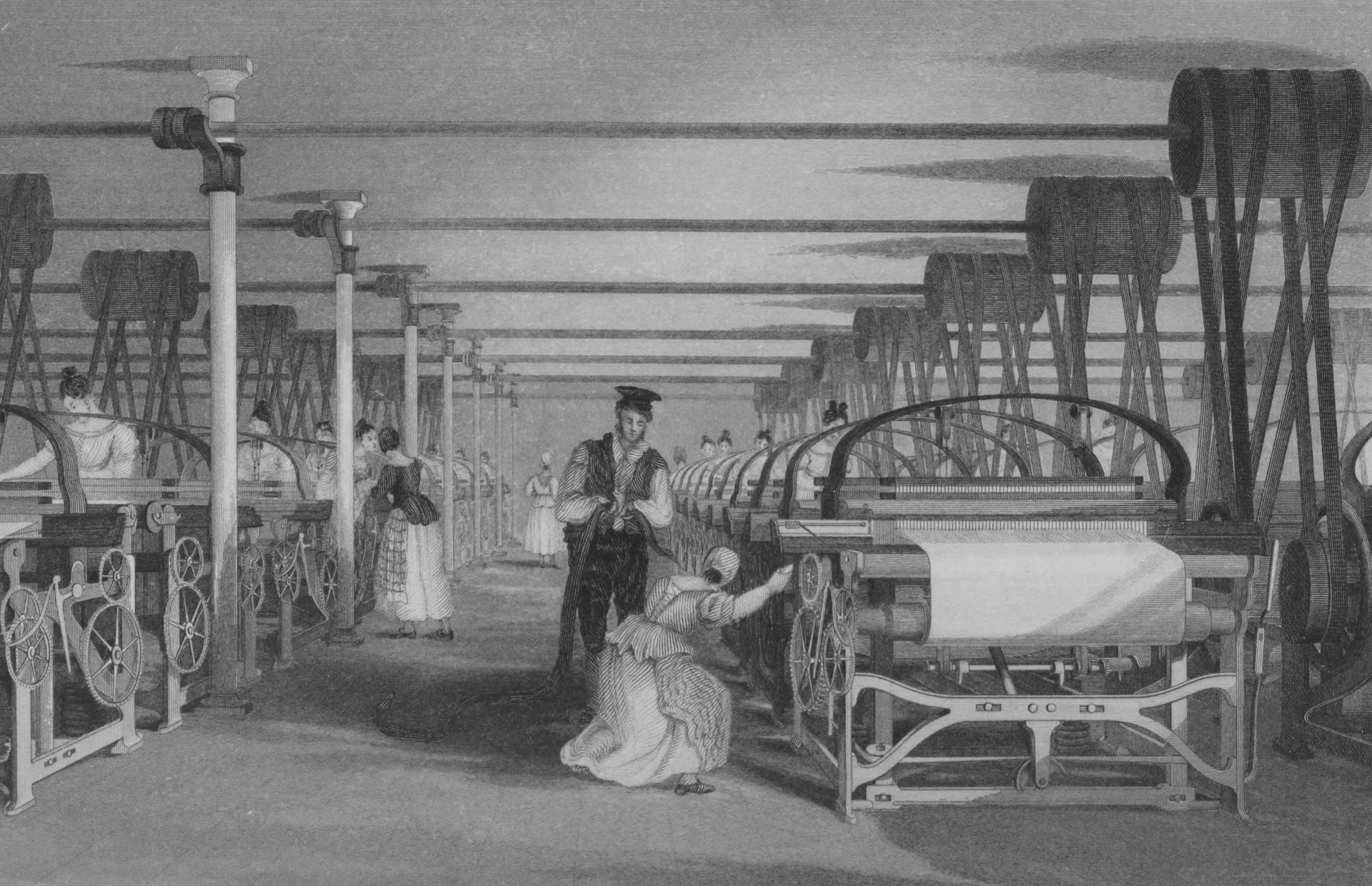
One notable example is the Luddite movement in early nineteenth-century England. Textile workers destroyed mechanized looms because they believed machines would eliminate their livelihoods. Yet the long-term result was not the disappearance of work. Mechanization expanded production, lowered costs, and increased demand. As the textile industry grew, so did employment, creating new roles for operators, mechanics, and engineers.
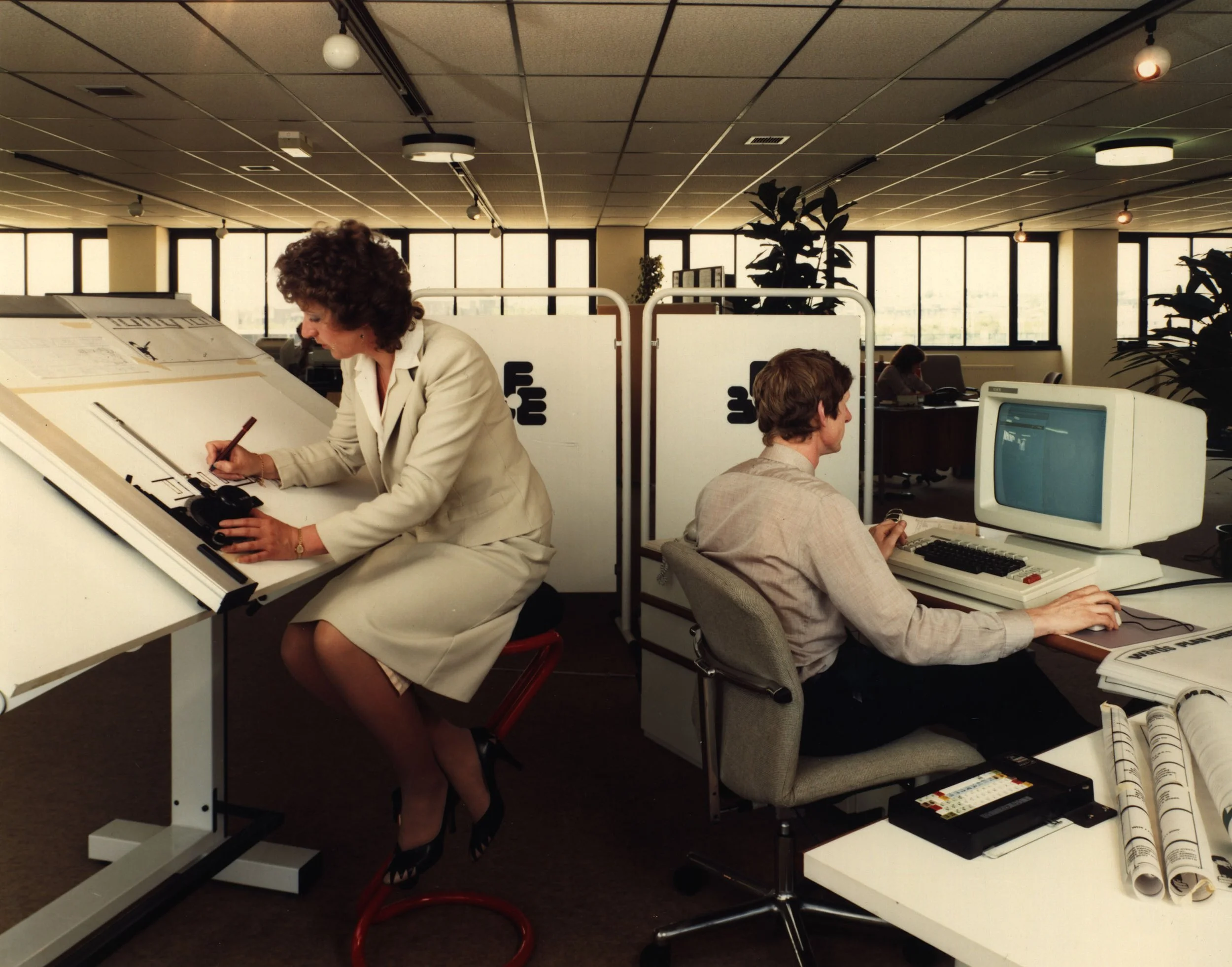
A similar fear resurfaced in the twentieth century when computers entered offices. Many believed clerical workers and bookkeepers would disappear once calculations and record-keeping became automated. Instead, computers increased the amount of information organizations could process. Rather than shrinking office work, they expanded it, giving rise to roles in data management, systems administration, and analysis.
History suggests that transformative technologies rarely eliminate work entirely. More often, they change the type of work people do.
Back to the Present
The warning about a potential “white-collar recession” did not come from a neutral observer. It came from Anthropic, a company at the forefront of developing advanced AI systems. The researchers themselves note that current adoption represents only a fraction of what the technology is theoretically capable of performing in the workplace. The study offers a useful snapshot of current use, even if long-term implications remain uncertain.
That does not mean the analysis is incorrect. But companies building transformative technology tend to emphasize its potential impact. That perspective is useful, but it is only one way of interpreting what these tools may ultimately mean for the labor market.
According to the report, fields such as management, finance, technology, legal, and administrative work could face significant disruption. In contrast, manual labor and trades are described as relatively insulated.
This reflects a shift in the narrative. For decades, automation was expected to replace manual labor. Now the conversation suggests office work may be more exposed.
The Work Itself
AI systems excel at processing large amounts of information and performing structured, repeatable tasks such as summarizing documents, drafting routine communications, and organizing data. These are useful capabilities, but they are also typically the most routine components of professional work.
The value of many roles lies not in repetition, but in interpreting information, applying judgment, and making decisions in ambiguous situations.
If routine tasks are increasingly handled by AI, the structure of many jobs may shift rather than disappear. Professionals may spend less time gathering and formatting information and more time interpreting complex issues, making decisions, coordinating across teams, and communicating outcomes.
This may be particularly true in government and public institutions, where regulatory requirements, transparency standards, and accountability make rapid automation more difficult. Even where technology is adopted, human review and judgment remain central.
If AI handles more routine tasks, the skills that remain uniquely human become more valuable.
The Human Advantage

For decades, technical expertise was seen as the primary qualification, while communication and interpersonal abilities were often considered optional. But as technology takes on more structured work, employees are increasingly valued for skills such as communication, emotional intelligence, adaptability, collaboration, and judgment. Unlike technical tools, these skills cannot be downloaded or automated. They are developed gradually through years of human interaction, lived experience, mistakes, and professional judgment.
Entry-level roles have traditionally included many routine tasks that AI can now perform quickly. That does not necessarily mean those jobs disappear. More often, it means the structure of early-career work changes.
Instead of focusing primarily on repetitive tasks, employees may spend more time learning systems, reviewing outputs, and understanding how their organization functions. Technology may assist with routine steps, but someone still needs to recognize when something is wrong, interpret results, and decide what to do next. Those are professional skills that still depend on human judgment.
A More Realistic Perspective
Artificial intelligence will almost certainly change how many jobs are performed. Some tasks will disappear and others will become easier. Entirely new roles will likely emerge. But history suggests that technological revolutions rarely eliminate work altogether. Instead, they reshape what work looks like.
For many employees, especially in public service roles, the most valuable abilities will remain the ones technology cannot replace: sound judgment, clear communication, and the ability to navigate complex systems and human relationships. AI may change the tools we use, but it does not replace the responsibility people carry in doing the work.
The future of work will evolve, as it always has. The challenge is not avoiding that change, but learning how to work alongside it.

Jennifer Tate
Labor Representative